
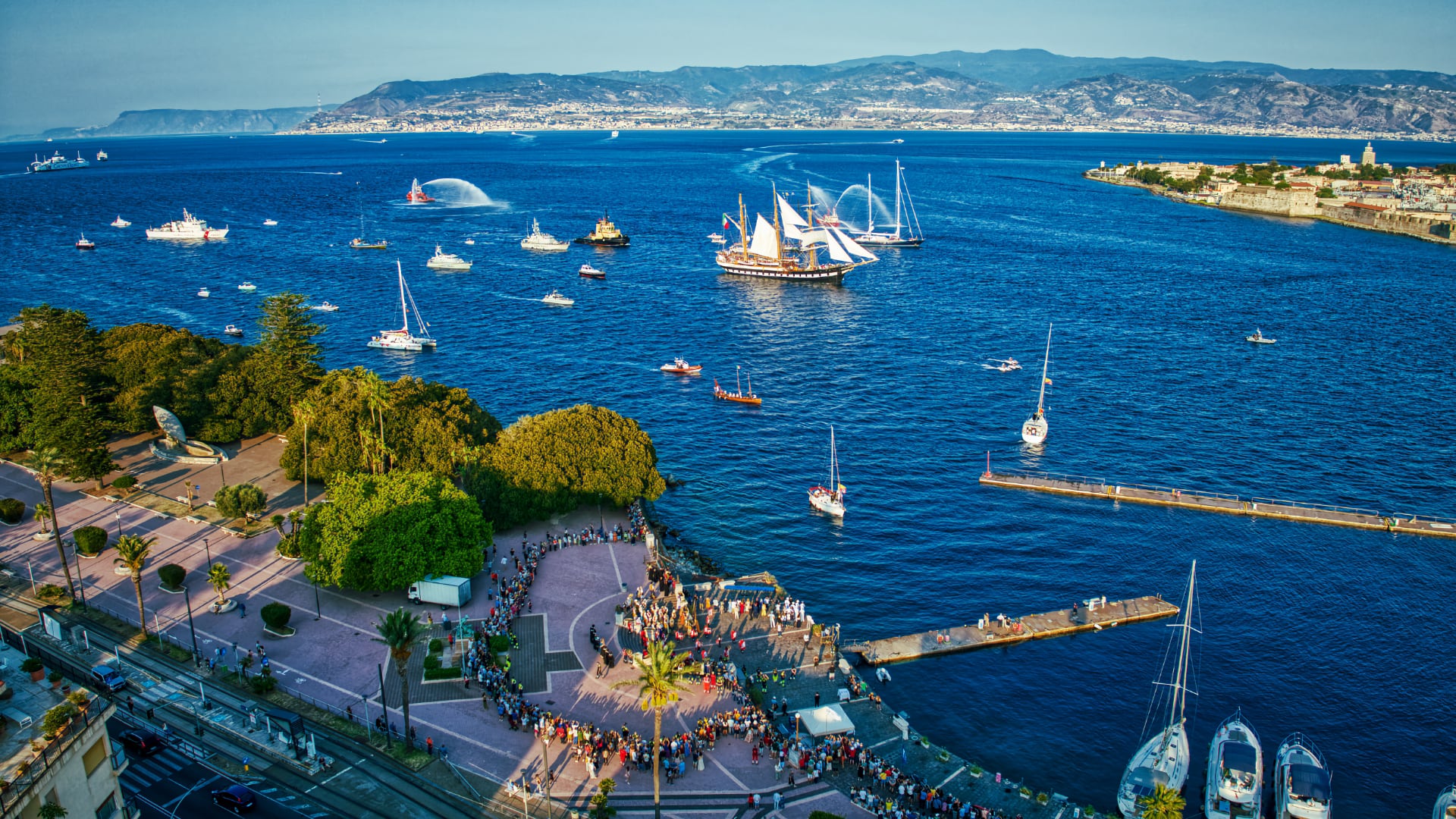
The Spectacular Landing of Don Juan of Austria in Messina
The Historical Reenactment in the Most Beautiful Harbour of the Mediterranean
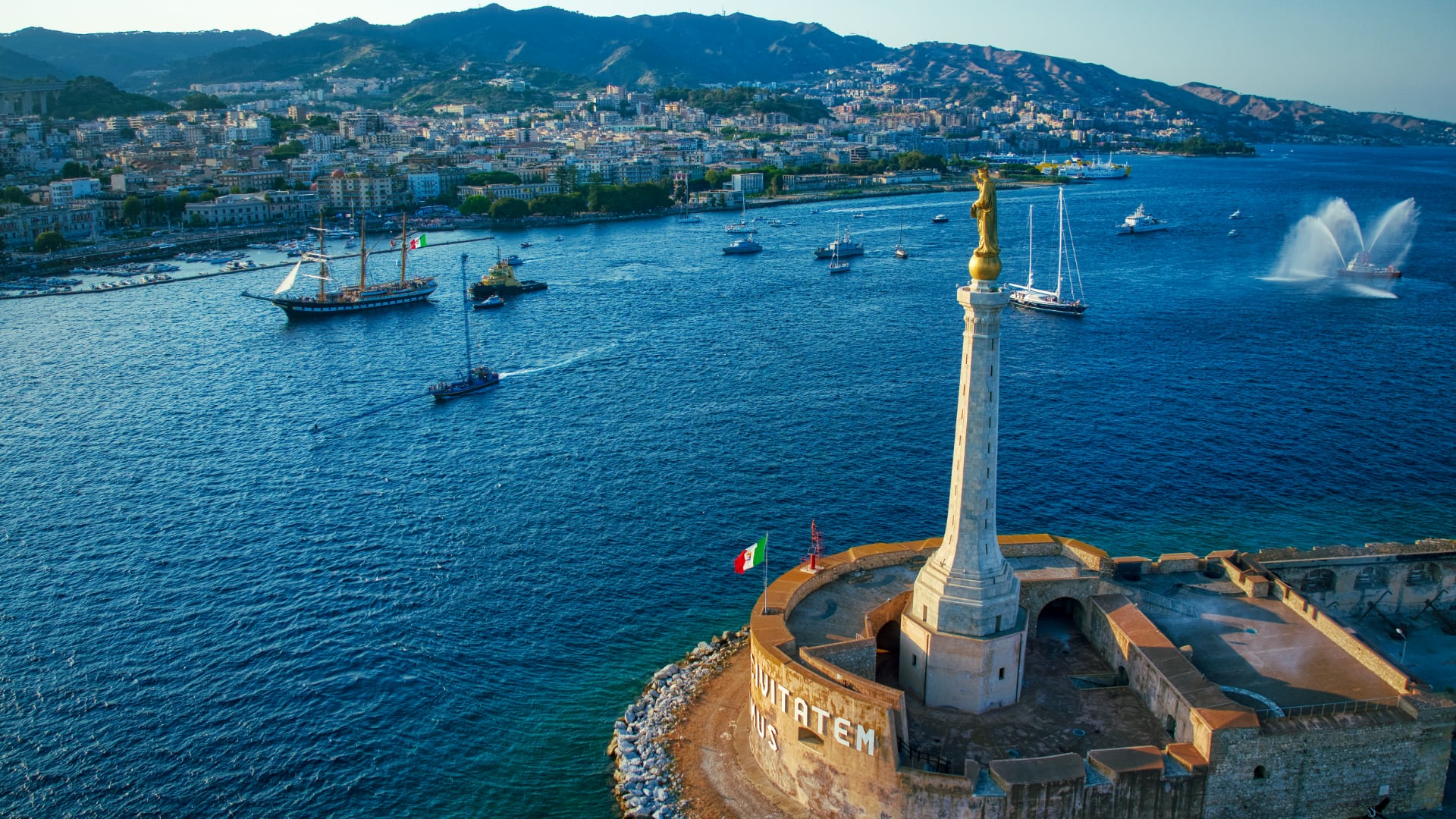
The Naval Procession
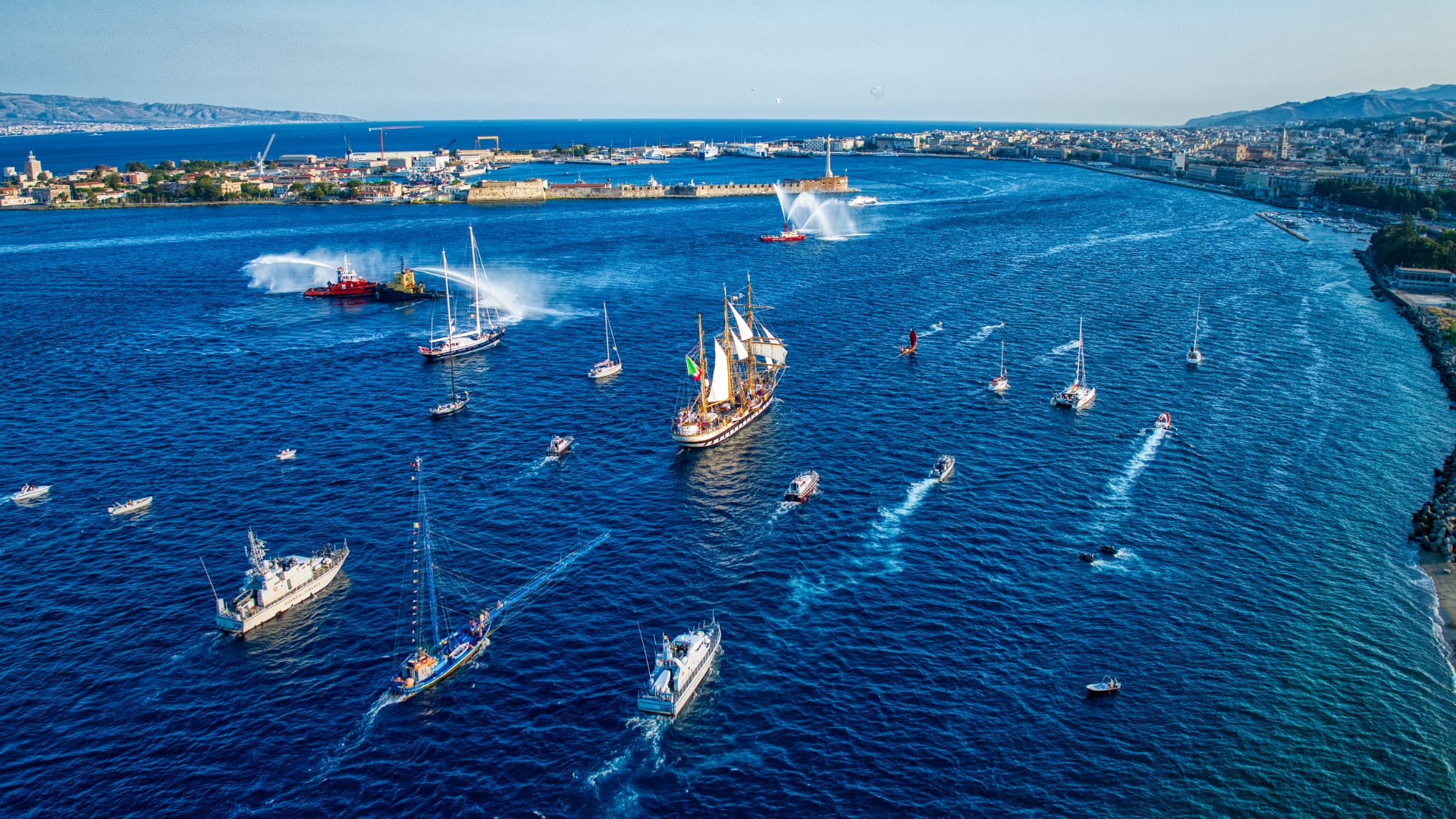
Every year, the Port of Messina becomes the stage for one of the most spectacular historical reenactments in the Mediterranean. The Italian Navy sends its training ship Palinuro, whose majestic presence represents the Galley of Don Juan of Austria: around her comes to life a procession of vessels — from the Navy, the Port Authority, the State Police, the Carabinieri, the Financial Police, the Fire Brigade, alongside the historic feluccas and private boats — together reenacting, on these very waters, the landing of the son of Emperor Charles V, almost five centuries later.
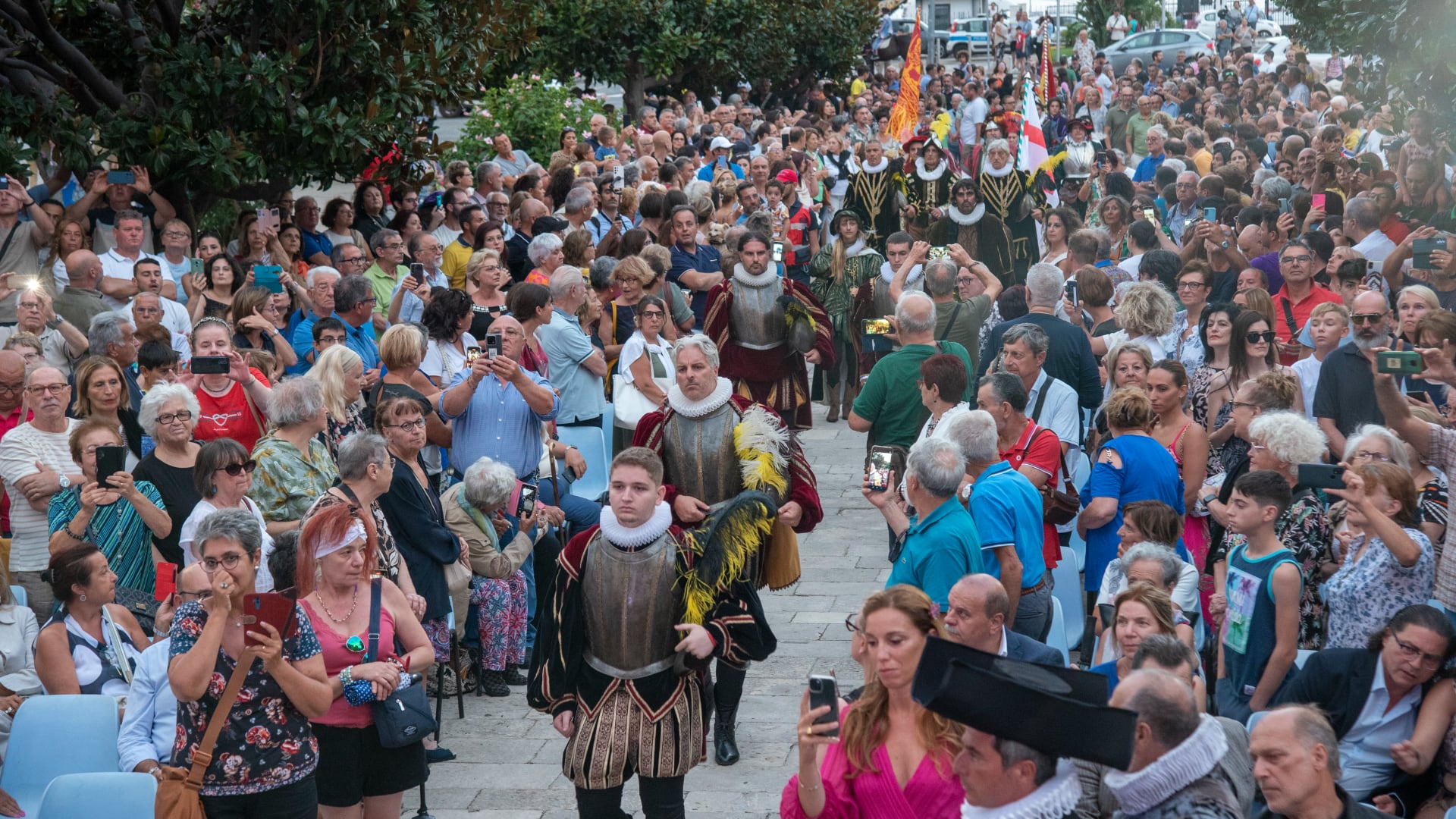
The Historical Parade
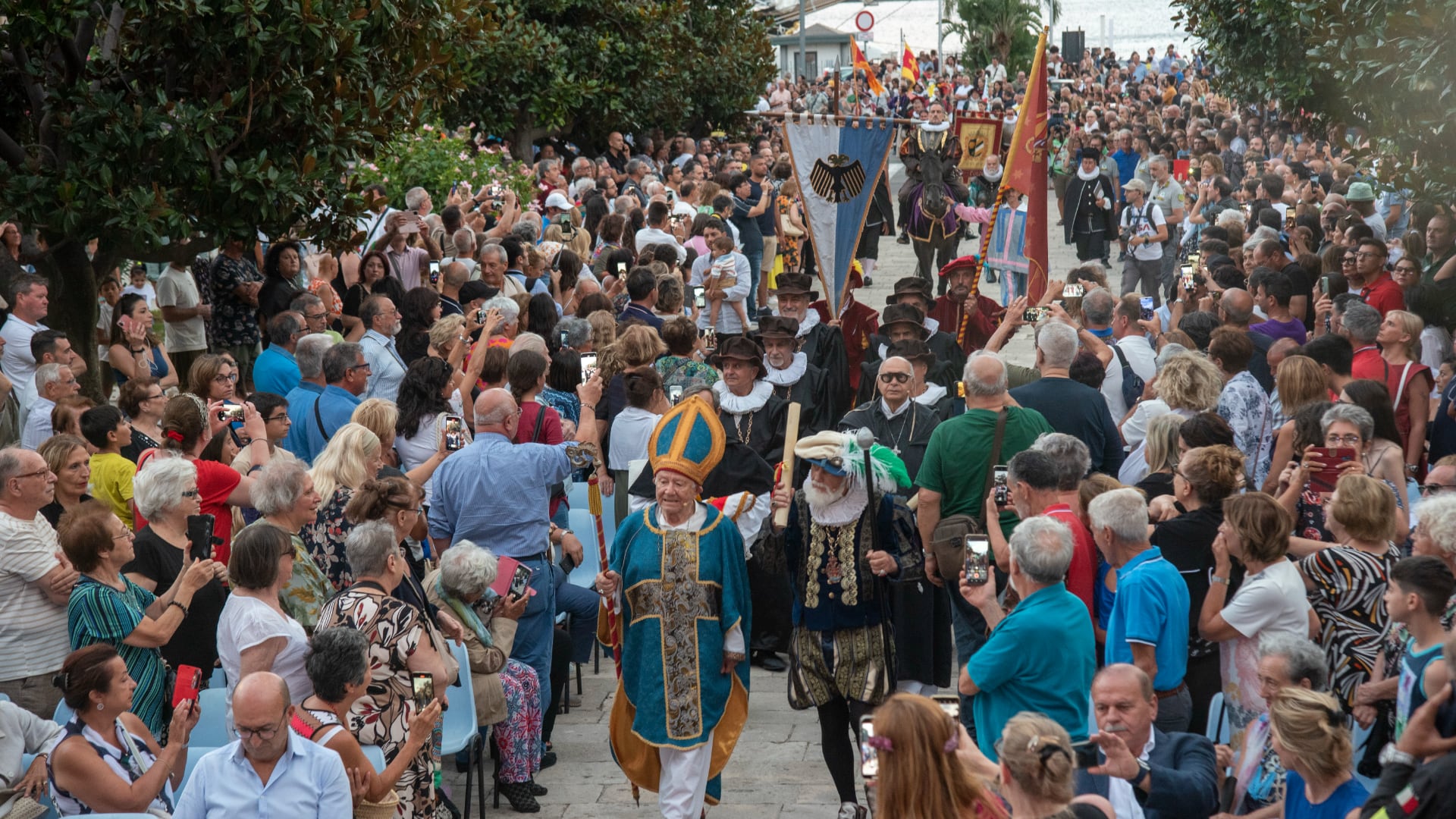
More than 250 performers in sumptuous Renaissance costumes bring the streets of Messina's historic centre to life, turning the whole city into an open-air stage. Not only the harbour, but the entire urban fabric comes alive once more with the celebration the people of Messina prepared for the arrival of the son of Emperor Charles V. Awaiting Don Juan of Austria, the full Messina Senate and the scholar Francesco Maurolico, who in 1571 provided his nautical charts and studies so that the fleet could reach Lepanto safely. Flag-throwers, drummers and many other costumed characters entertain the public with songs, dances and street performances.
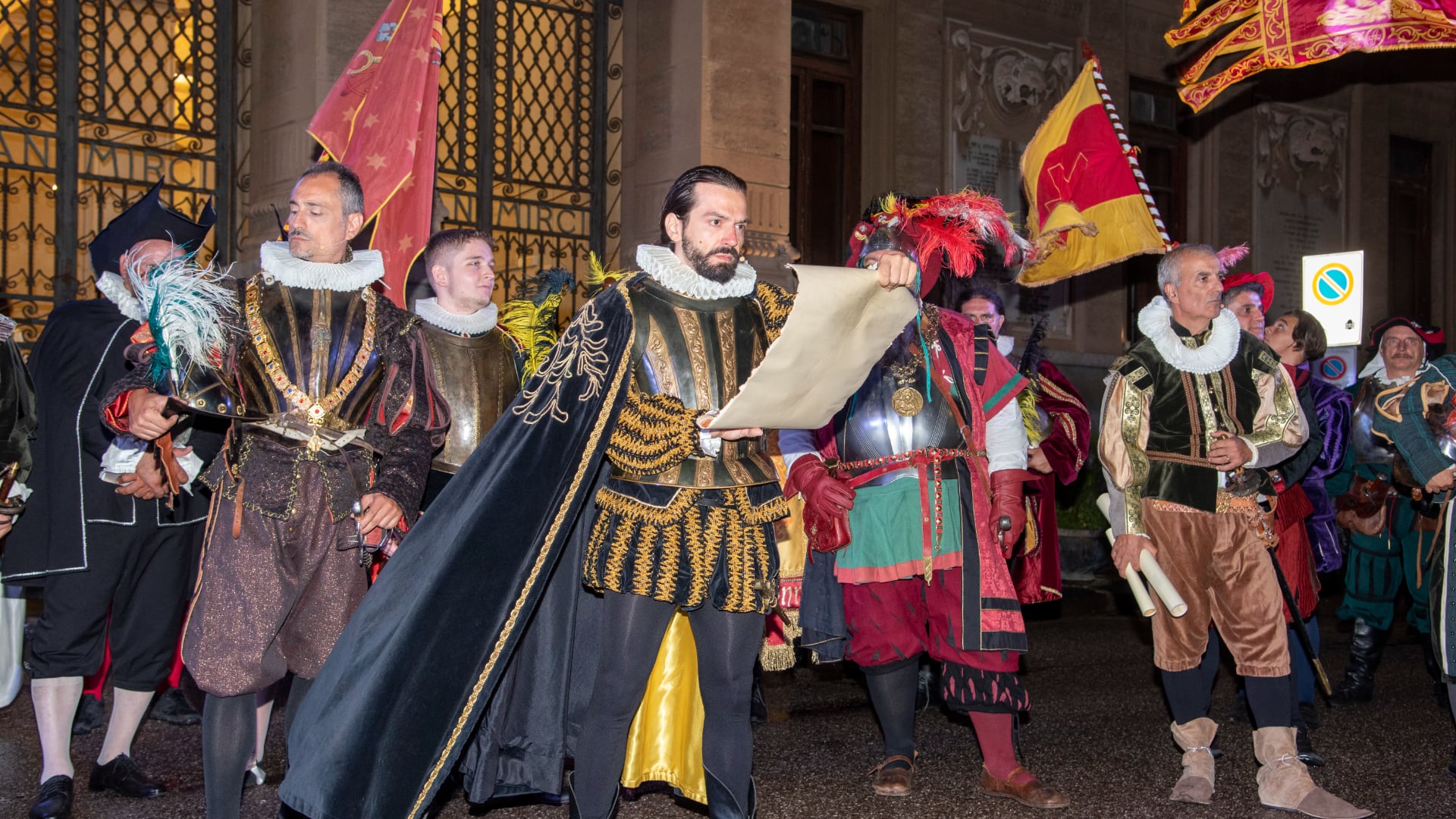
The Theatrical Performance
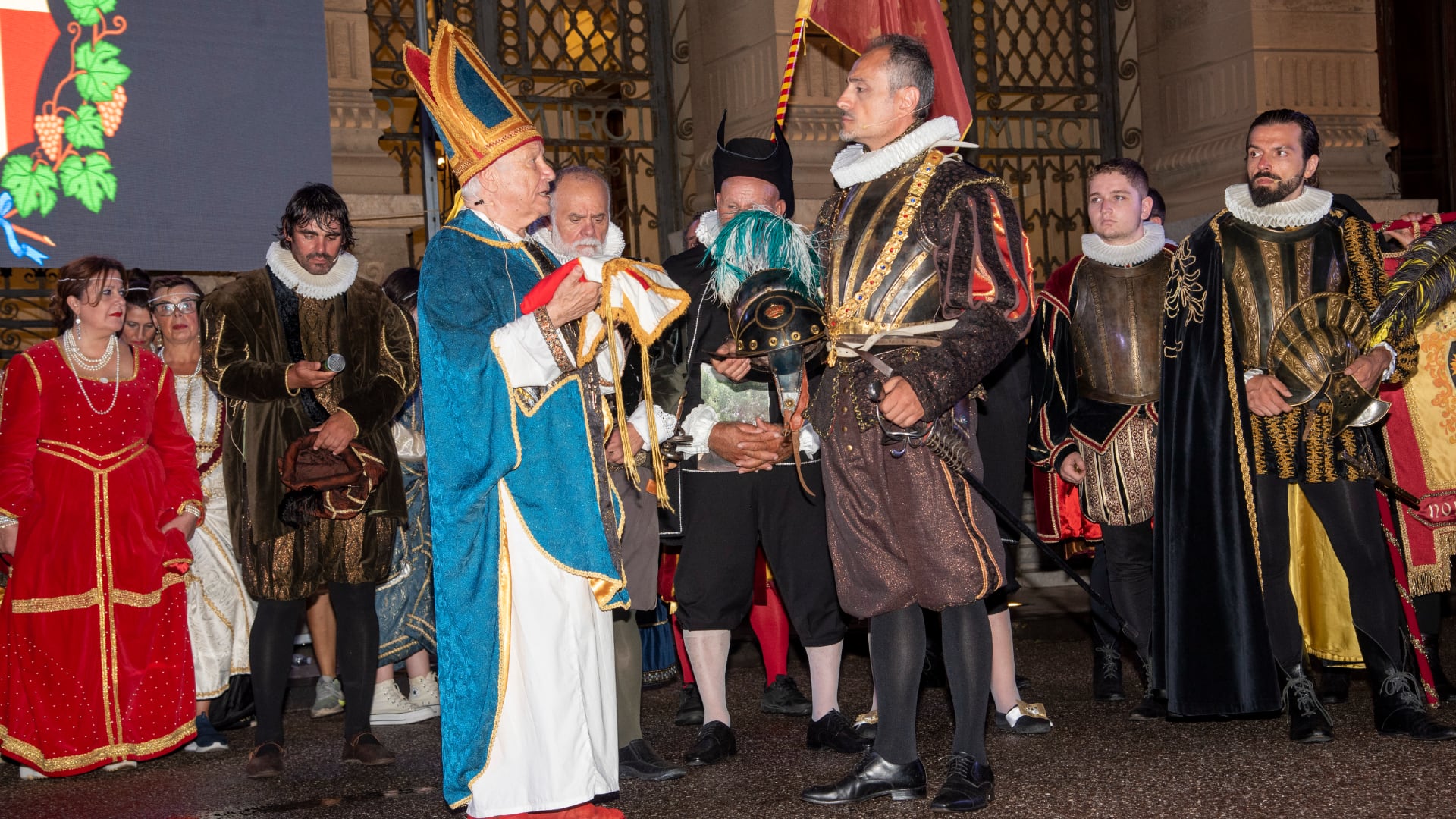
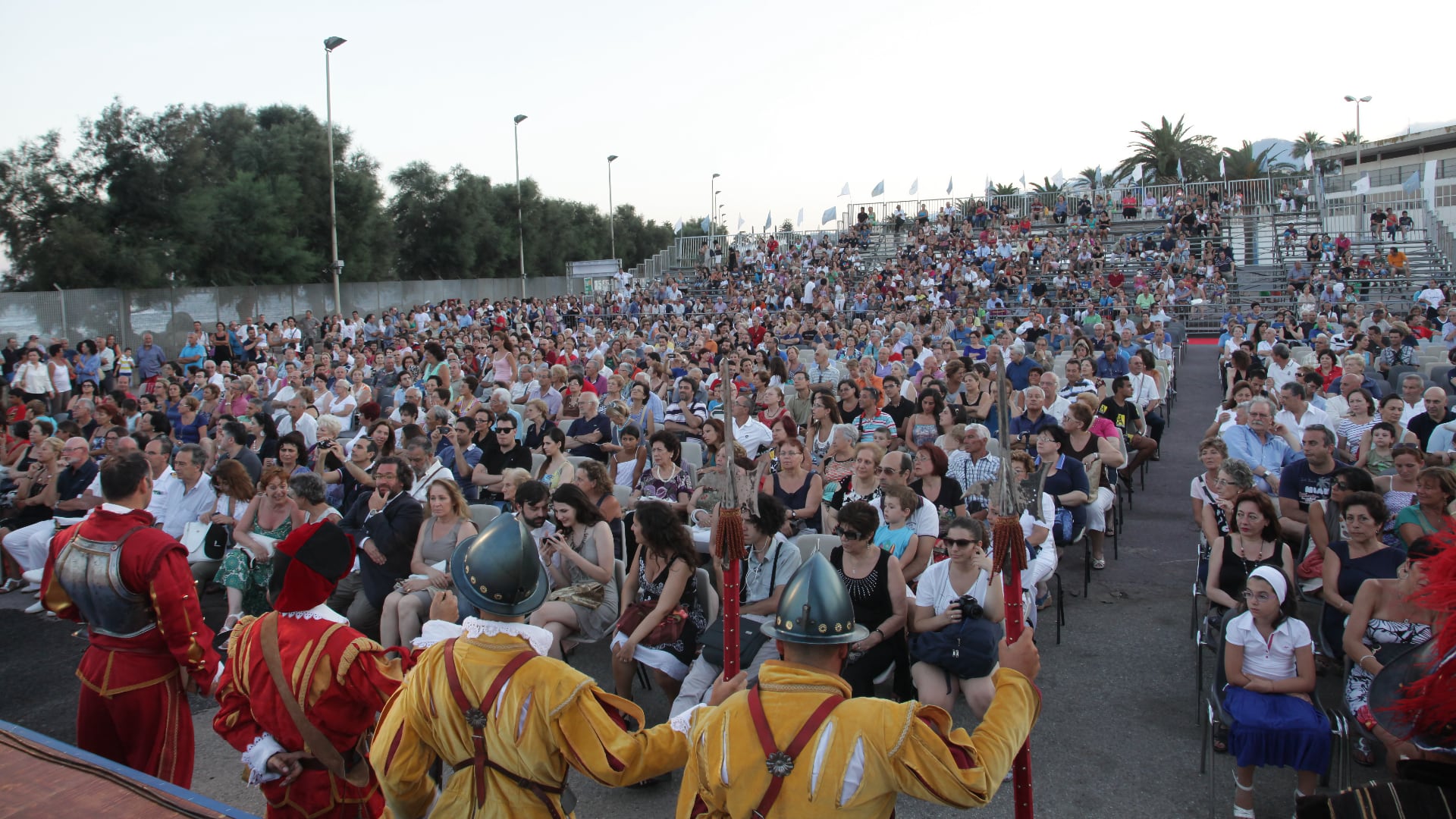
When the Naval Procession and the Historical Parade meet, Piazza Unione Europea and Palazzo Zanca light up with history, becoming the beating heart of a theatrical performance in which the great protagonists of the era once again exchange gifts and solemn promises. Don Juan of Austria pays tribute to the city that welcomed him, and thanks Maurolico for the invaluable guidance that made the whole enterprise possible. For the occasion, a striking play of lights transforms the façade of Palazzo Zanca, restoring for one evening the ancient splendour of the Royal Palace.
Historical Background
Between July and August 1571, the great Christian Armada gathered in the natural harbour of Messina under the command of the twenty-four-year-old Don Juan of Austria, illegitimate son of Emperor Charles V. It was an imposing force: 210 light galleys, 6 galleasses, 25 great ships and dozens of smaller vessels, armed with over 1,800 cannons and a contingent of nearly 80,000 men between soldiers, sailors and oarsmen.
The allied forces arrived in the city on the Strait at different times, each time welcomed by the roar of cannon fire:
- 20 July: The solemn entry of the Papal Fleet, led by Lieutenant General Marcantonio Colonna.
- 23 July: The arrival of the Venetian fleet under Sebastiano Venier and Agostino Barbarigo, forced to make its way against the wind into the curved harbour.
- 23 August: The arrival of Don Juan of Austria at the head of 25 galleys, greeted by salutes from all the ships already at anchor. Landing two days later, the Supreme Commander was received with full honours at the Royal Palace by the city authorities.
In those same days, the naval squadrons of Genoa (under Giovanni Andrea Doria), Naples, Palermo, Syracuse and Candia joined the gathering. The Holy League thus managed to bring together in Messina an extraordinary mosaic of forces from Spain, Venice, the Papal States, Genoa, Naples, Malta, Tuscany, Savoy, Sicily and the regions of central Italy.
From the Strait to Triumph
On Sunday, 16 September 1571, the mighty fleet set sail and left Messina amid the thunder of the castle artillery and the cheers of a jubilant crowd.
The fate of the expedition was sealed on the morning of Sunday, 7 October, in the waters of Lepanto. In just five hours of titanic battle involving over 180,000 men, the Christian Armada inflicted a decisive defeat on the Ottoman fleet: 150 Turkish galleys were captured and another 40 sunk or burned, at the cost of around 7,600 dead and 15,000 wounded among the Christians, against 35,000 losses on the Turkish side.
On 1 November 1571, Don Juan of Austria returned victorious to the port of Messina, delivering the city to history.

VisitME Messina
Tourism Brand of the City of Messina. Curated by the Department of Tourism of the City of Messina.
Please contact us for further information.
Useful Links
Contact Us
Municipalty of Messina
Messina Events
YoungME
Brand VisitME

VisitME Messina
Brand Turistico della Città di Messina. A cura dell'Assessorato al Turismo della Città di Messina.